
What is photography
Simply put - It’s capturing light
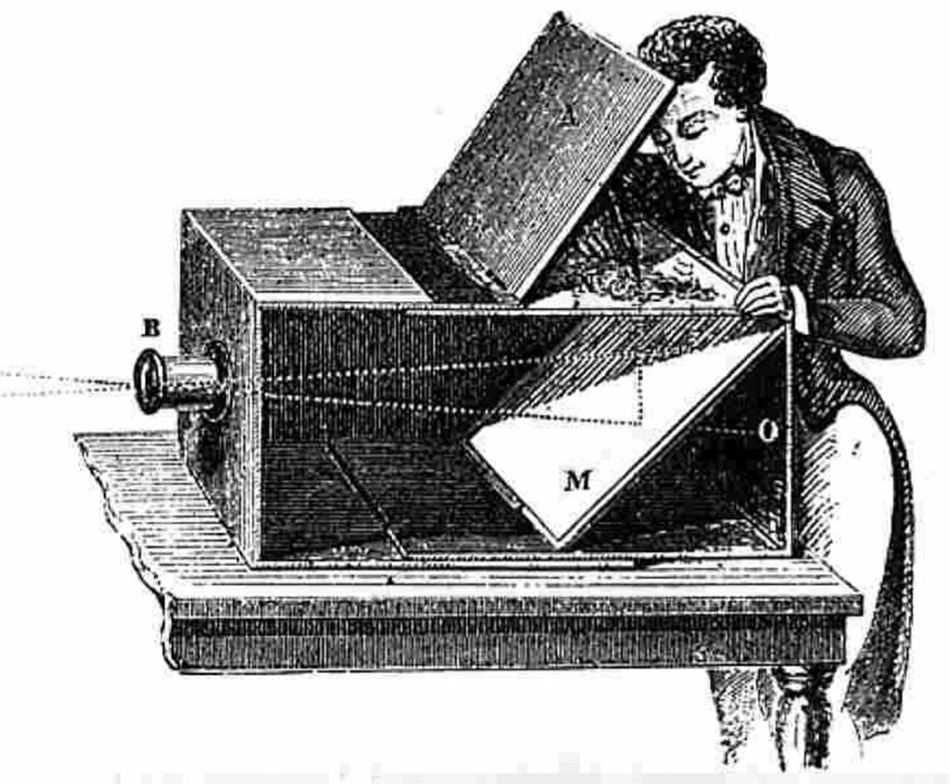
In the 1830’s, scientists discovered a substance that reacted to light, a photograph was simply taking light from the surroundings and getting it to hit this substance to create a permanent print of the light. Now, we have digital cameras, but they work in the same way. There’s a sensor deep inside the camera and that translate light into a digital image.
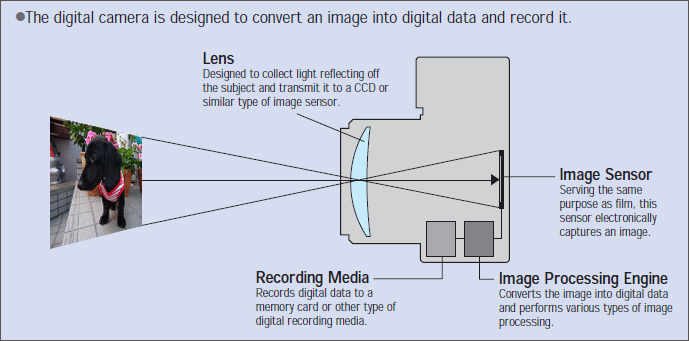
As a photographer, it's your job to capture that light on the sensor to make sure your photo is exposed correctly and the image is focused.
If an image is under exposed, it's dark, you won't see much of the detail.
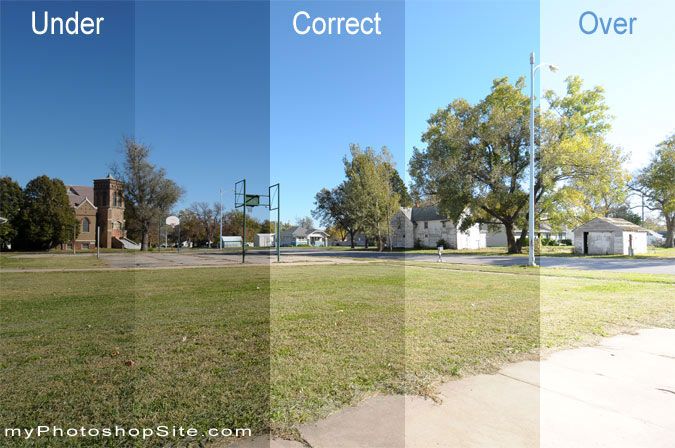
If an image is over exposed, it will look very bright and you won't see much detail.
You can determine how much light you capture in 3 main ways.
1) Shutter Speed
2) Aperture
3) ISO
1) Shutter Speed
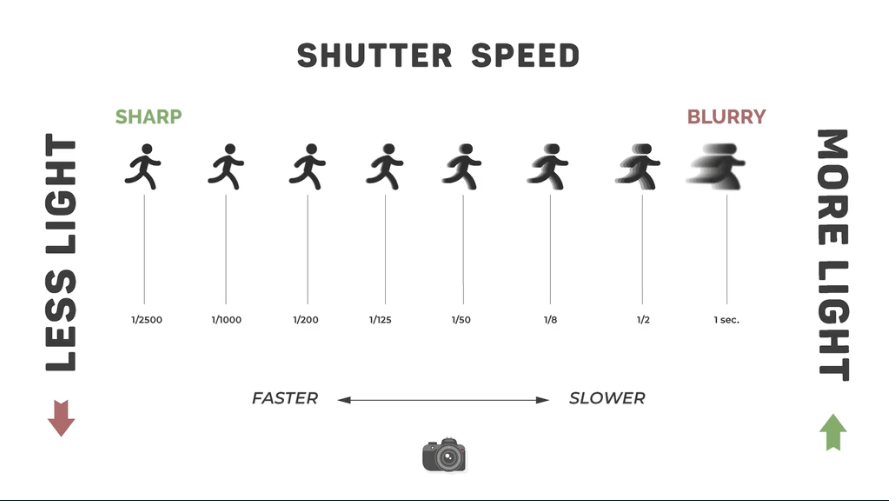
When you turn a camera on, there is a cover inside the camera that stops the light hitting the sensor, when you take the picture the cover opens and closes again, letting a bit of light hitting the sensor. If you have a slow shutter speed, the shutter stays open for a long time and lets lots of light hit the sensor. If you have a fast shutter speed, it will only let a small amount of light hit the sensor.
Beware, if you have the shutter open for a long time, you will get lots of light, but you will also get movement. If you're taking a picture of something moving, if the shutter speed is too slow, your picture will be blurry.
2) Aperture
In the lens of your camera, there is a window that you can make bigger or smaller. If the window is almost fully closed (narrow), less light will come through. If the window is more open (wide), more light will come through.
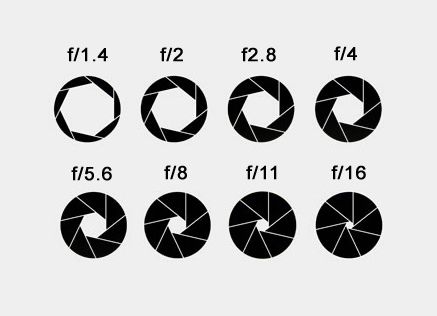
3) ISO
This setting makes the camera sensor more or less sensitive to light. If the ISO is higher, your photo will be brighter, if your ISO is lower, your photo will be darker.
Why this matters
As a photographer, when you take a photo, you need to make sure it's correctly exposed and in focus. You can't control the sun, but you can control the camera settings. Changing these depending on the light around you means you will be able to have properly exposed photos.
Once you understand what the settings do, you then need to know how to set them. So, if you're in a dark area, you should know you need to increase the aperture and ISO... You then need to know how do it in your camera.
If you start by shooting in M mode (manual), and change the settings yourself, you will learn the behaviours very quickly. When you understand it, you can play around later.
What's next?
Ok, so you know what the camera does and you know how to make it work... Now go and take some photos.
Play around, practice, take 30 photos instead of one, change different things when you're taking each shot.
Things to think about
Don't just take a photo that people can see any time. There's a huge difference between "here is a picture of something" to "here is a beautiful picture of something that makes you think about it differently"
Get low, change the view.
Get high, change the view.
Go close, change the view.
Think about lighting and shadows. Use then to create different views.
Have fun! Share your pictures and enjoy yourself.